
How to Improve Batting Timing in Cricket
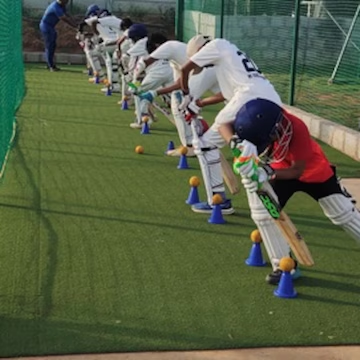
Batting timing is one of the most important skills in cricket. Good timing helps a batter hit the ball effectively without always relying on power. Whether you are a beginner or an experienced player, regular practice can help you improve your timing, balance, and confidence at the crease.
In this blog, we will discuss practical ways to improve batting timing in cricket and develop better batting habits.
What Is Batting Timing in Cricket?
Batting timing means connecting the bat with the ball at the right moment. When a batter judges the ball correctly and makes contact at the right time, the shot can travel well with controlled effort.
Good timing depends on watching the ball, understanding its speed and direction, maintaining balance, and coordinating the movement of the hands, feet, and body.
1. Watch the Ball Carefully
One of the best ways to improve batting timing is to watch the ball closely from the bowler’s hand. Follow its movement as it travels towards you and avoid looking away too early.
Keep your eyes focused on the ball until the bat makes contact. This habit can help you judge the line, length, and speed of each delivery.
2. Improve Your Footwork
Footwork helps a batter get into the right position to play a shot. If your feet move too late, you may struggle to connect with the ball properly.
Practise moving forward to fuller deliveries and moving back when the ball is shorter. Start with simple drills and focus on balance rather than speed.
Good footwork allows you to play a wider range of shots with better control.
3. Practise with Throwdowns
Throwdown practice allows batters to work on timing without always facing full-speed bowling. A coach or training partner can throw balls at a manageable pace while you focus on clean contact.
Begin with gentle underarm throws and gradually progress to faster throwdowns as your control improves. Practise different shot types while maintaining a balanced stance.
Always use suitable equipment and follow safe practice methods.
4. Focus on Balance and Bat Swing
A balanced body position helps you control your shots. Keep your head steady, maintain a comfortable stance, and avoid falling too far forward or backward while playing the ball.
Your bat swing should feel controlled and natural. Avoid trying to hit every delivery as hard as possible. Focus first on making clean contact, then gradually work on power and placement.
5. Practise with a Tennis Ball
Tennis-ball drills can be useful for beginners who are learning hand-eye coordination. A partner can gently throw the ball for you to practise straight drives, defensive shots, and other basic movements.
As your skills develop, include suitable cricket-ball practice under proper supervision. Choose drills according to your age, experience, and coaching needs.
6. Learn to Judge Line and Length
Line describes where the ball travels across the batter, while length describes where it pitches and how it reaches the batter. Learning to judge both can help you decide which shot to play.
Practise recognising fuller, good-length, and shorter deliveries. Work on choosing the correct response rather than trying to hit every ball.
A coach can help you identify mistakes and improve your decision-making.
7. Practise Regularly and Review Your Progress
Consistent practice helps you develop better batting habits. Set small goals for each session, such as improving your defensive technique, making cleaner contact, or playing straight shots with control.
If possible, ask your coach to observe your technique or record a short practice video for review. Focus on one or two improvements at a time instead of changing everything at once.
Remember to warm up before practice, take breaks when needed, and allow enough time for recovery.
Improve Your Batting Skills at Dhyani’s Cricket Academy in Dehradun
Players who want to improve their batting can benefit from structured practice, helpful feedback, and regular skill development. Dhyani’s Cricket Academy in Dehradun is a local option for players and parents exploring cricket coaching.
Contact the academy to ask about available coaching programmes, batch timings, facilities, and training options suitable for your age and experience.
Frequently Asked Questions
1. How can beginners improve batting timing?
Beginners can start by watching the ball carefully, practising a balanced stance, improving footwork, and doing simple throwdown drills.
2. Does batting timing matter more than power?
Timing and power are both useful, but clean contact and good technique are important foundations. Hitting harder without control may lead to mistimed shots.
3. How long does it take to improve batting timing?
Progress varies from player to player. Regular, focused practice and feedback from a coach can help you identify and gradually improve weaknesses.
4. Can I practise batting timing at home?
You can practise basic movements and shadow batting in a safe, open space. Use a ball only where there is enough room and it is safe to do so.
5. What drills help improve batting timing?
Simple throwdowns, controlled tennis-ball drills, shadow batting, and footwork exercises can help. Choose drills suitable for your skill level.
How to Improve Batting Timing in Cricket
Learning How to Improve Batting Timing in Cricket is important for every aspiring cricketer. Good timing helps players hit the ball with better control, accuracy, and power. To improve your timing, keep your eyes on the ball from the bowler’s hand and watch it carefully until it reaches your bat.
Practice Drills to Improve Batting Timing
One of the best ways to learn how to improve batting timing in cricket is through regular practice. Start with throw-down drills, underarm feeds, and gentle bowling before facing faster deliveries. Focus on making contact with the middle of the bat instead of trying to hit every ball hard. Keep your head steady, maintain a balanced stance, and practise playing straight shots.
Develop Consistent Batting Technique
Consistent batting practice helps you recognise different deliveries and choose the right shot. Work on your footwork, balance, and hand-eye coordination. Ask your coach to observe your technique and help you correct mistakes. With patience and regular training, you can become a more confident batter and improve your performance on the field.
Improve Batting Timing with Regular Practice
To understand how to improve batting timing in cricket, practise regularly with different types of deliveries. Focus on watching the ball closely, moving your feet into the correct position, and making contact with the middle of the bat. Regular batting drills and guidance from an experienced coach can help you develop better timing, shot selection, and confidence.
Best Tips on How to Improve Batting Timing in Cricket
If you want to learn how to improve batting timing in cricket, focus on your hand-eye coordination and footwork. Watch the ball carefully from the bowler’s hand and move your feet according to the delivery. Practise front-foot and back-foot shots regularly to improve your response to different lengths. Avoid swinging the bat too early or too late. Keep your head steady and maintain proper balance while playing each shot. Regular coaching, net practice, and patience can help you develop better batting timing and become a more confident cricket player.
Conclusion
Improving batting timing in cricket takes patience, concentration, and consistent practice. Watching the ball, improving footwork, maintaining balance, and practising controlled shots can help batters build a stronger foundation.
Focus on technique before power, learn from feedback, and set realistic goals for every training session. With the right approach, you can gradually develop better timing and become a more confident batter.
To learn more about the official rules and laws of cricket, visit the International Cricket Council (ICC) website. It