What Cricket Equipment Does a Beginner Need?
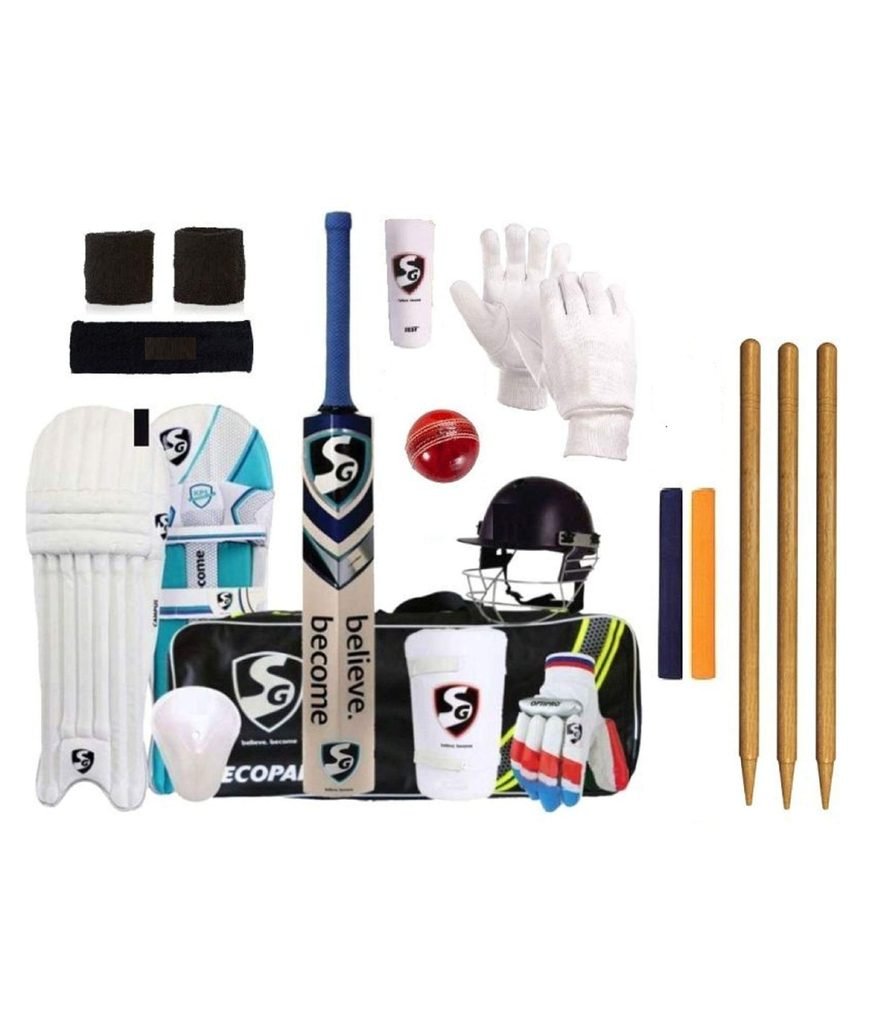
Starting cricket is exciting, but beginners often wonder which equipment they need before their first training session. Having the right cricket equipment can help players practise comfortably, learn basic techniques, and stay safer during training.
You do not need to buy every piece of equipment immediately. The items you need depend on your age, experience, playing role, and the type of training you will attend.
In this blog, we will explain the essential cricket equipment for beginners and how to choose it.
1. Cricket Bat
A cricket bat is one of the main pieces of equipment for a batter. Beginners should choose a bat that feels comfortable to hold and swing.
Consider these points before buying a bat:
- Choose a suitable size according to the player’s height and age.
- Make sure the bat is comfortable to lift and control.
- Check the handle grip and overall condition.
- Ask a coach or experienced cricket equipment supplier for advice.
A bat that is too heavy can make it harder to develop correct batting technique. Focus on control and comfort rather than choosing the heaviest bat.
2. Cricket Ball
Cricket balls come in different types for different forms of practice and play. Beginners may use tennis balls, soft practice balls, or leather cricket balls depending on their training programme.
A softer ball may be suitable for introductory drills, while leather-ball training requires appropriate equipment and supervision.
Always follow your coach’s instructions about which ball to use. Do not practise with a hard cricket ball in an unsuitable or crowded area.
3. Batting Pads
Batting pads protect the legs from the impact of the ball. They are especially important when practising with a hard cricket ball.
Choose pads that fit properly and allow comfortable movement. Pads that are too large or too small can affect your movement at the crease.
Ask your coach which type of pads is suitable for your training level.
4. Batting Gloves
Batting gloves help protect the hands and provide grip while holding the bat.
When choosing gloves, check that:
- They fit comfortably around your fingers and hands.
- You can grip and swing the bat naturally.
- The protective padding is in good condition.
- The gloves are suitable for your level of cricket.
Beginners should learn to hold the bat correctly while wearing gloves that fit well.
5. Cricket Helmet
A cricket helmet is essential protective equipment when facing hard cricket balls. It helps protect the head and face from potential impact.
Choose a properly fitting helmet designed for cricket, and follow the manufacturer’s fitting instructions. Check that the grille and fastening system are secure before practice.
Never skip appropriate head protection during hard-ball batting or rely on an ordinary cap instead of a cricket helmet.
6. Cricket Shoes
Suitable footwear helps players move, run, and maintain balance on the ground.
The best shoes depend on the playing surface. Some cricket shoes have studs for grass pitches, while others are designed for different surfaces.
Choose comfortable footwear with suitable grip and support. Ask your coach which shoes are appropriate for the ground where you will train.
7. Abdominal Guard and Other Protective Gear
An abdominal guard, commonly called a box, provides protection during batting and wicketkeeping. Depending on the player’s role and the training session, other protective items may also be recommended.
For hard-ball cricket, players may need additional protective equipment according to their age, role, and coach’s guidance.
Make sure protective gear fits correctly and is worn as instructed. Safety should always come before convenience.
8. Cricket Kit Bag and Water Bottle
A cricket kit bag helps keep your equipment organised and makes it easier to carry everything to training.
A water bottle is also useful because players need to stay hydrated during practice, especially in hot weather. Bring comfortable sportswear and any other items recommended by your coach.
Keeping your equipment clean, dry, and organised can help it last longer.
How to Choose Cricket Equipment for Beginners
Before buying cricket equipment, consider the following tips:
- Set a budget: Start with the essential items required for your training programme.
- Choose the correct size: Equipment should fit the player’s age, height, and body comfortably.
- Prioritise safety: Buy suitable protective equipment for the type of ball being used.
- Ask your coach: Find out which items are needed for your first sessions.
- Check the quality: Inspect the equipment for damage and make sure it is suitable for regular practice.
- Avoid unnecessary purchases: You can add more specialised equipment as your skills and needs develop.
Beginners do not need the most expensive equipment. Proper fit, comfort, and safety are more impo
For more information about official cricket rules, training guidelines, and the game of cricket, visit the For more information about official cricket rules, training guidelines, and the game of cricket, visit the International Cricket Council (ICC).